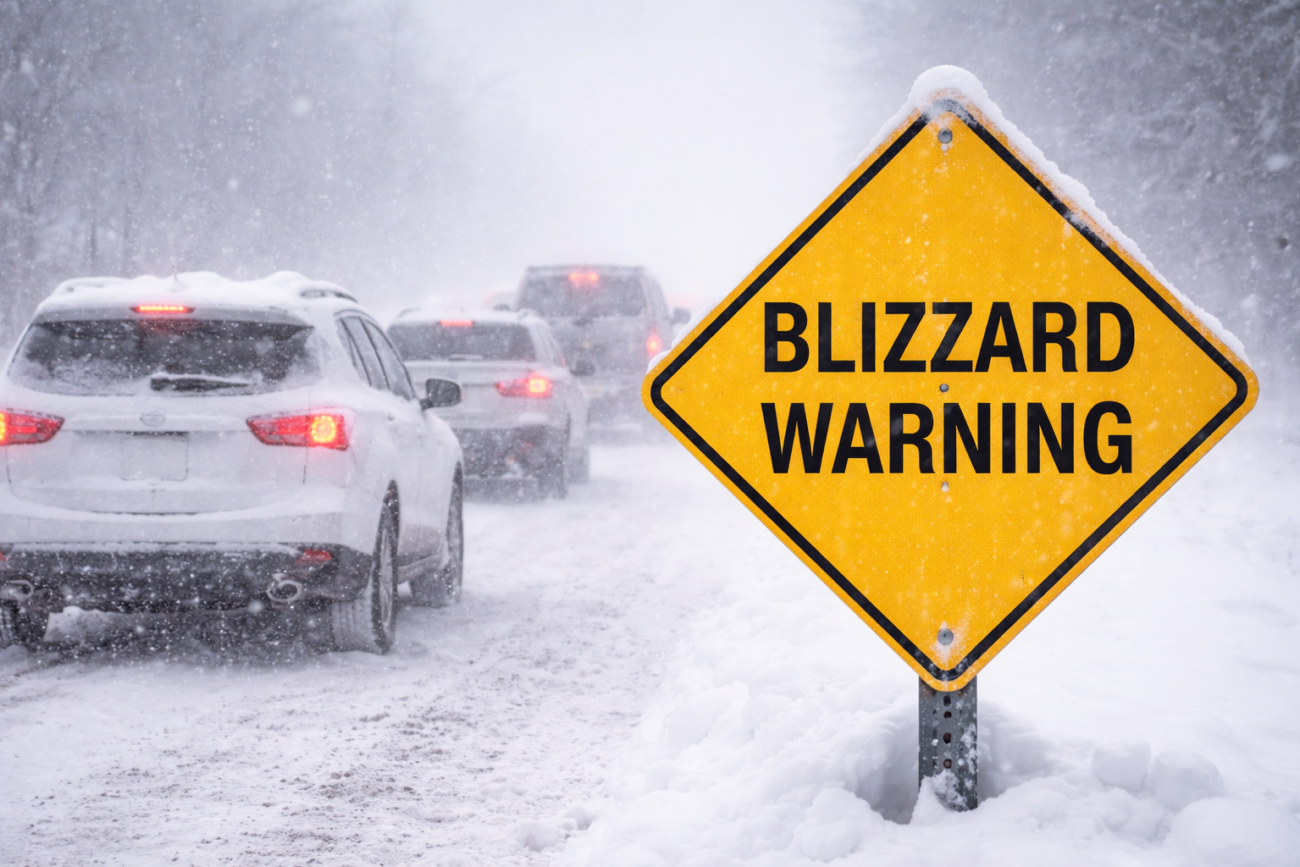
What Is a Blizzard Warning?
A Blizzard Warning is a hazardous weather alert issued by meteorological agencies, such as the National Weather Service (NWS) in the United States, when severe winter conditions are imminent or already occurring. It indicates that heavy snow combined with sustained winds or frequent gusts of 35 mph (56 km/h) or more will significantly reduce visibility to 1/4 mile (400 m) or less for a minimum of three hours, creating dangerous travel and life‑threatening conditions.
Blizzard conditions disrupt daily life, causing travel restrictions, power outages, and infrastructure challenges. Emergency agencies and local authorities use this warning to urge residents to stay indoors, prepare survival kits, and avoid unnecessary travel.
Why Blizzard Warnings Matter
Blizzard warnings are critical because they inform the public of extreme winter weather that can create:
-
Whiteout conditions with near-zero visibility, making driving nearly impossible.
-
Extremely cold wind chills that increase risk of frostbite and hypothermia.
-
Heavy snow accumulations that burden transportation systems and public services.
Warnings prompt precautionary actions such as closing roads and schools, activating emergency services, and declaring shelters for vulnerable populations.
Criteria for Issuing a Blizzard Warning
Meteorological agencies follow strict criteria before issuing a blizzard warning:
-
Forecast of heavy snowfall or blowing snow.
-
Sustained winds or frequent gusts equal to or exceeding 35 mph (56 km/h).
-
Visibility reduced to 1/4 mile or less for at least three consecutive hours.
These conditions can render travel hazardous or impossible and can lead to emergencies for stranded drivers and pedestrians alike.
In Canada, similar blizzard warnings are issued by Environment and Climate Change Canada with region‑specific criteria that emphasize widespread blowing snow and reduced visibility.
How Blizzard Warnings Are Communicated
Blizzard warnings are broadcast through multiple channels:
-
Weather radios and emergency alert systems.
-
Mobile Wireless Emergency Alerts (WEAs).
-
Television and radio broadcasts.
-
Online weather dashboards and apps.
These alerts often include start and end times, expected snowfall amounts, wind speeds, and specific precautions.
Recent Blizzard Warnings Across the USA
Minnesota & Surrounding Regions
Recent severe winter systems have prompted expanded blizzard warnings in parts of Minnesota and nearby states. The National Weather Service issued warnings spanning northern and central Minnesota, highlighting heavy snow, strong winds, and dangerous travel conditions expected through mid‑week. These warnings often begin Tuesday night into Wednesday morning, with snow totals of 10‑18 inches and winds up to 60 mph in some areas.
Hazardous visibility and drifting snow have led officials to urge residents to avoid travel unless absolutely necessary. Roads like Highway 61 along Minnesota’s North Shore have experienced closures due to whiteout conditions.
Southern Minnesota Blizzard Conditions
Southern Minnesota frequently sees dangerous winter conditions when major storm systems move across the Midwest. Forecasts have indicated blizzard‑level visibility reductions and severe travel advisories stretching across southwestern and south‑central parts of the state, especially near open plains where wind has fewer barriers to reduce speed.
Officials often issue no‑travel advisories in these regions during high‑impact blizzards to prevent accidents and ensure public safety.
Blizzard Warnings Washington & Northern Plains
Blizzard warnings are not limited to the Midwest. Strong winter storms have triggered warnings in northern Plains states and across parts of the Pacific Northwest and Washington, especially when atmospheric systems sweep cold Arctic air into moist air masses. These events typically bring heavy snow, strong gusts, and widespread blowing snow, creating conditions similar to classic Midwestern blizzards.
Blizzard Warning vs Other Winter Alerts
Understanding terminology helps interpret severity:
-
Blizzard Warning – Most severe; snow + high winds + low visibility.
-
Winter Storm Warning – Heavy snow and ice conditions, but winds below blizzard criteria.
-
Winter Weather Advisory – Less severe; potential for snow and travel inconvenience.
Blizzard warnings represent the highest severity for snow‑related travel hazards in these categories.
Typical Impacts of Blizzard Conditions
Blizzard conditions can disrupt communities in several ways:
-
Transportation disruptions – Major road closures, flight cancellations, and stalled vehicles.
-
Power outages – Heavy, drifting snow and high winds can break power lines.
-
Emergency response strain – Response teams must prioritize critical situations.
-
School and business closures – To protect community safety.
Communities under blizzard warnings are advised to prepare food, water, medicine, and emergency supplies that can last at least three days.
Safety Tips During a Blizzard Warning
During a blizzard warning, take the following steps:
-
Stay indoors and off roads unless absolutely necessary.
-
Keep warm with adequate fuel or heating alternative systems.
-
Keep flashlights, batteries, and weather radios at hand.
-
Avoid leaving vehicles during whiteout conditions.
-
If trapped in a vehicle, keep the exhaust pipe clear and run the engine sparingly to conserve fuel and avoid carbon monoxide risks.
Proper planning and adherence to warnings can significantly reduce the risk of injuries and fatalities.
Dempster Highway & International Blizzard Events
Blizzard warnings are not unique to the U.S. In Canada, major highways like the Dempster Highway, which connects northern communities in Yukon and the Northwest Territories, have also experienced blizzard warnings due to heavy snow and high winds. These warnings emphasize that visibility can drop near zero, making travel extremely hazardous on remote routes where services may be sparse.
Long‑Term Weather Patterns and Blizzard Risks
Blizzard conditions are most common during winter and early spring when cold Arctic air clashes with storm systems. Climate variability can influence the frequency and intensity of these systems, though traditional storm tracks in the Northern Plains, Midwest, and Canadian territories remain high‑risk areas. Meteorologists continually monitor atmospheric conditions to provide advance warnings.
Conclusion
Blizzard warnings are crucial tools in weather safety. Issued when heavy snow and powerful winds combine to create dangerous travel and visibility conditions, they alert communities to take serious precautions. From southern Minnesota to Washington state and northern highways like Dempster, blizzard warnings signal some of the most severe winter conditions. Staying informed, prepared, and responsive to official alerts can save lives and reduce the dangers posed by blizzard events.
FAQs About Blizzard Warnings
What triggers a blizzard warning?
A blizzard warning is triggered when falling or blowing snow and winds of at least 35 mph reduce visibility to less than a quarter‑mile for at least three hours.
How is a blizzard different from a snowstorm?
A snowstorm may involve heavy snow, but a blizzard specifically includes strong winds and low visibility conditions.
Can blizzard warnings be issued in spring?
Yes, if the criteria for snow and winds are met, blizzard warnings can occur anytime winter conditions persist.
Are blizzard warnings common in southern states?
They are less common in southern states but possible during strong winter storms that reach deep into the U.S. interior and Gulf regions.
What should you do if travel is unavoidable during a blizzard warning?
Carry emergency kits, inform contacts of your route, keep gas tanks full, and be prepared for delays or detours.