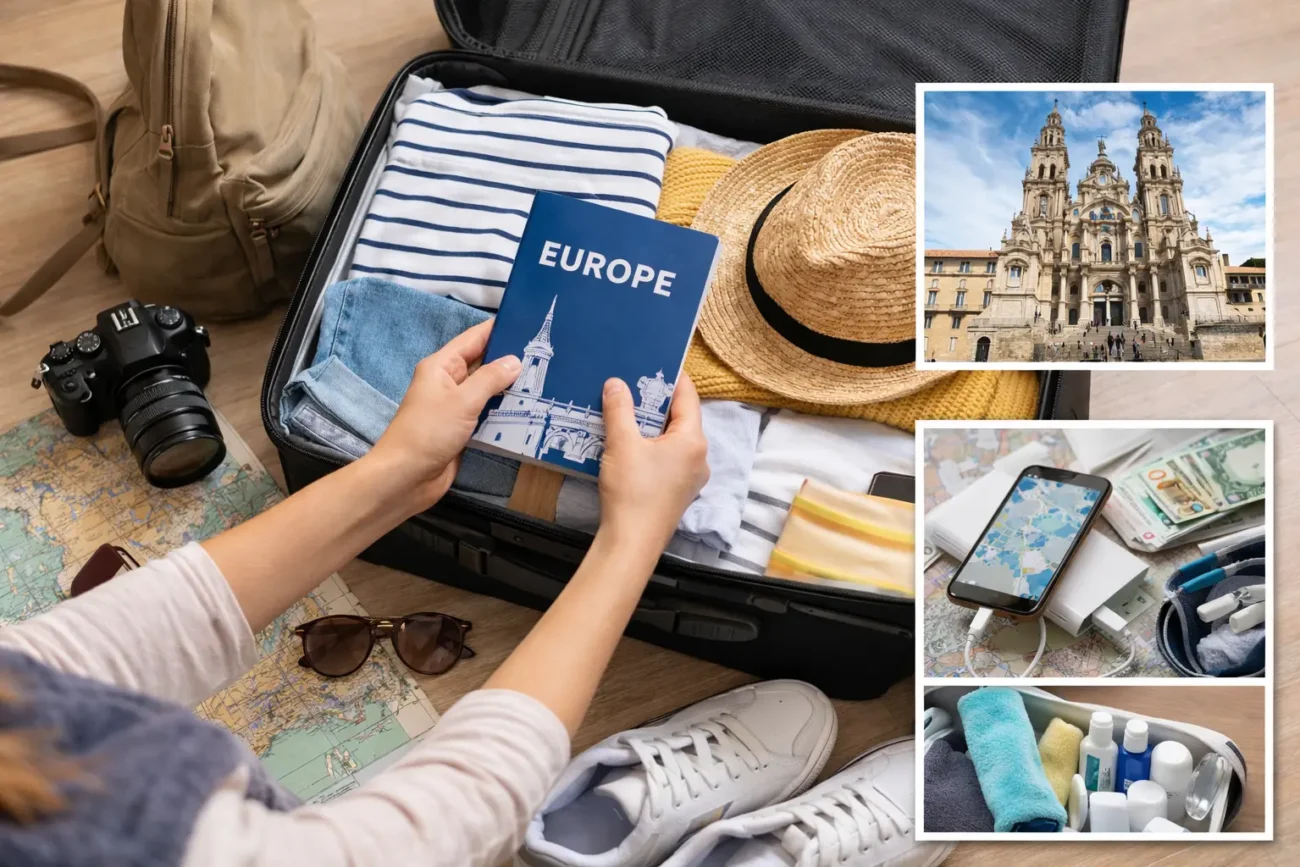
Planning a trip to Europe is exciting, but one of the most common questions travelers ask is what to pack for Europe trip. Packing properly can make your journey smoother, more comfortable, and stress-free. Europe offers a wide range of experiences, from historic cities and cultural landmarks to beautiful countryside and coastal destinations. Because the continent has different climates, cultures, and travel styles, it is important to pack wisely. A well-organized packing list ensures you have everything you need without carrying unnecessary luggage. Whether you are traveling for sightseeing, adventure, or relaxation, understanding what to bring can help you enjoy your trip to countries like France, Italy, and Spain without unnecessary stress.
Why Smart Packing Is Important for Europe
Europe is known for its efficient public transportation systems, historic cobblestone streets, and compact cities. Many travelers rely on trains, buses, or walking while exploring destinations like Paris, Rome, or Barcelona. Because of this, carrying heavy luggage can become uncomfortable and inconvenient. Smart packing allows travelers to move easily between cities and attractions while staying organized throughout the trip.
Another important factor is the variety of weather conditions across Europe. The climate in northern countries such as Germany may differ significantly from southern regions like Greece. Packing versatile clothing and essential travel items ensures you are prepared for different temperatures and activities.
Essential Documents to Pack for Europe
Passport and Travel Documents
One of the most important items when planning what to pack for Europe trip is your passport. Make sure it is valid for at least six months beyond your travel dates. Many European countries are part of the Schengen Area, which allows travelers to move between multiple countries without border checks.
In addition to your passport, it is important to carry travel insurance, flight tickets, hotel confirmations, and copies of identification documents. Keeping digital and printed copies of these documents can help prevent issues if something is lost during your trip.
Credit Cards and Local Currency
Most European countries widely accept credit and debit cards, but carrying some local currency can be useful for small purchases, transportation, or street markets. Travelers visiting multiple countries should check whether the destination uses the Euro or another currency.
Clothing: What to Pack for Europe Trip
Comfortable Walking Clothes
Europe is best explored on foot, especially in historic areas and cultural districts. Comfortable clothing is essential for long days of sightseeing. Pack lightweight shirts, breathable fabrics, and versatile outfits that can be worn in different settings. Neutral colors are helpful because they can be mixed and matched easily.
Layered Clothing
Weather in Europe can change quickly, even during the same day. Packing layers such as light sweaters, jackets, and scarves allows travelers to adapt to temperature changes. Layering is especially helpful when visiting cities like London or Amsterdam where weather conditions may shift throughout the day.
Comfortable Walking Shoes
One of the most important things to pack is comfortable walking shoes. Cobblestone streets and long sightseeing days require supportive footwear. Sneakers or lightweight travel shoes are ideal for exploring famous attractions such as the Colosseum in Rome or the Eiffel Tower in Paris.
Evening or Formal Outfit
While Europe is known for casual travel styles, some restaurants, theaters, or cultural events may require slightly formal attire. Packing one smart outfit ensures you are prepared for special dinners or evenings out in vibrant cities like Milan.
Toiletries and Personal Care Items
Basic Toiletries
Travelers should pack essential toiletries such as toothbrushes, toothpaste, shampoo, deodorant, skincare products, and personal hygiene items. Many hotels provide basic toiletries, but having your preferred products ensures comfort throughout your trip.
Travel-Size Containers
To save space and comply with airline regulations, using travel-size containers is recommended. These small bottles help keep luggage light and organized while still providing everything needed for personal care.
Medication and Health Essentials
If you take prescription medication, bring enough for the entire trip along with a copy of the prescription. Basic medical supplies such as pain relievers, allergy medicine, and bandages can also be helpful during travel.
Travel Accessories You Should Bring
Universal Power Adapter
Electrical outlets in Europe differ from those used in many other countries. A universal power adapter ensures you can charge your devices anywhere. This is particularly useful when traveling between countries with different plug types.
Portable Charger
Travelers rely heavily on smartphones for navigation, photos, and communication. A portable charger helps keep your phone powered throughout the day while exploring museums, landmarks, and historical sites.
Travel Backpack or Daypack
A small daypack is essential for carrying daily necessities such as water, snacks, cameras, and travel documents. Lightweight backpacks are convenient when visiting tourist attractions and walking through city centers.
Reusable Water Bottle
Staying hydrated while traveling is important. Many European cities provide clean public drinking water, allowing travelers to refill reusable bottles throughout the day.
Technology and Electronics to Pack
Smartphone and Travel Apps
Smartphones are one of the most useful travel tools. They provide maps, language translation, transportation information, and booking confirmations. Travel apps help visitors navigate cities efficiently and discover new attractions.
Camera
Although smartphones offer excellent photography features, many travelers still prefer bringing a camera for higher-quality photos. Europe’s historic architecture, landscapes, and landmarks provide countless opportunities for memorable photography.
Headphones or Earbuds
Long flights, train journeys, and bus rides become more enjoyable with headphones. Listening to music, podcasts, or movies helps pass time during travel between cities.
Travel Safety and Organization Items
Money Belt or Anti-Theft Bag
Popular tourist destinations sometimes attract pickpockets. Using a money belt or anti-theft bag can help keep valuables secure while walking through crowded areas.
Packing Cubes
Packing cubes are a great way to organize luggage. They help separate clothing, accessories, and toiletries, making it easier to find items without unpacking everything.
Small Lock for Luggage
A luggage lock adds an extra layer of security during flights or train journeys. It also protects belongings when staying in shared accommodations such as hostels.
Seasonal Packing Tips for Europe
Summer Travel
During summer, Europe experiences warm temperatures and long daylight hours. Lightweight clothing, sunglasses, sunscreen, and comfortable sandals are essential items for travelers visiting coastal destinations or exploring outdoor attractions.
Winter Travel
Winter in Europe can be cold, especially in northern regions. Packing warm jackets, gloves, scarves, and thermal clothing is important for staying comfortable while exploring cities during colder months.
Spring and Autumn Travel
Spring and autumn offer mild temperatures and beautiful scenery across Europe. Packing layers and waterproof jackets helps travelers adapt to changing weather conditions.
Tips for Packing Light
Packing light is one of the best strategies for traveling in Europe. Choose versatile clothing that can be worn multiple times and combined with different outfits. Rolling clothes instead of folding them can save space in luggage. Limiting unnecessary items also makes it easier to move between cities, airports, and train stations.
Another helpful strategy is to leave room in your luggage for souvenirs and shopping items. Europe offers many unique products, including local crafts, fashion, and specialty foods that travelers may want to bring home.
Frequently Asked Questions (FAQs)
What is the most important thing to pack for a Europe trip?
The most important items include your passport, travel documents, comfortable walking shoes, and essential clothing suitable for the weather.
How many outfits should I pack for Europe?
Packing 5–7 versatile outfits is usually enough for most trips. Clothes can be mixed, matched, and washed during longer stays.
Do I need a power adapter for Europe?
Yes, European electrical outlets differ from those in many countries. A universal power adapter ensures your devices can be charged safely.
Should I pack cash for Europe?
While cards are widely accepted, carrying some local currency such as the Euro can be useful for small purchases or public transportation.
Is it better to bring a suitcase or backpack to Europe?
Many travelers prefer lightweight suitcases with wheels or travel backpacks. The best option depends on personal comfort and travel style.
How can I avoid overpacking for Europe?
Make a packing list, choose versatile clothing, and focus on essential items only. Packing light makes traveling between cities much easier.
Conclusion
Knowing what to pack for Europe trip can greatly improve your travel experience. Proper packing ensures you stay comfortable, organized, and prepared for different climates and activities. By bringing essential documents, versatile clothing, travel accessories, and safety items, you can explore Europe with confidence. Whether you are wandering through historic streets, visiting famous landmarks, or enjoying local cuisine, smart packing allows you to focus on enjoying your adventure rather than worrying about missing essentials.