Introduction
Education is evolving rapidly, and 2026 is witnessing one of the most interesting shifts in how students learn during their break from traditional schooling. Instead of spending the entire summer away from academics, many families are turning to a new concept known as the summer schoolhouse. This trend is reshaping how children continue learning during the summer months while still enjoying creative activities and flexible schedules. Unlike traditional summer school programs that focus mostly on academic recovery, summer schoolhouses emphasize curiosity, exploration, and skill development. Parents, teachers, and communities are increasingly supporting these programs because they offer a balanced approach between education and personal growth. As a result, the summer schoolhouse trend is becoming one of the most talked-about innovations in modern education.
What Is a Summer Schoolhouse?
Definition of the Summer Schoolhouse Concept
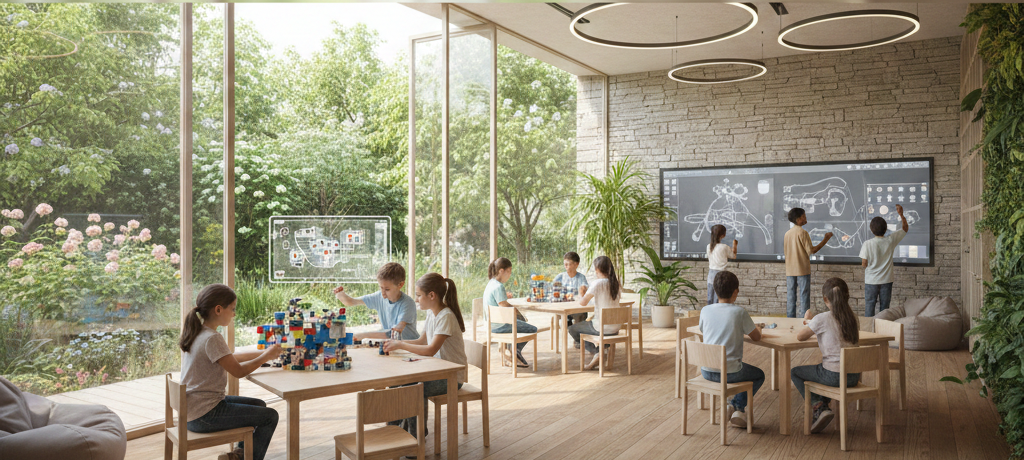
A summer schoolhouse is a modern educational program designed to provide structured learning experiences during the summer break while maintaining a relaxed and engaging environment. Instead of replicating the rigid structure of a traditional classroom, summer schoolhouses often focus on interactive activities, project-based learning, and small group discussions. These programs combine academic topics with real-world experiences such as science experiments, creative writing workshops, technology projects, and outdoor exploration. The goal is not simply to repeat the regular school curriculum but to enhance learning through hands-on experiences that encourage curiosity and creativity. By blending education with exploration, summer schoolhouses help students stay mentally active while still enjoying the freedom associated with summer vacation.
The Origins of the Trend
The idea of summer learning programs is not new, but the modern summer schoolhouse concept has gained popularity in recent years as educators search for better ways to support students outside the traditional academic year. Educational researchers have long studied the phenomenon known as “summer learning loss,” where students forget some of the knowledge they gained during the school year. To address this issue, schools and communities began experimenting with new approaches to summer education. The summer schoolhouse emerged as a solution that keeps students engaged without the pressure of formal exams or strict classroom environments. Over time, the approach evolved into a broader educational movement focused on creativity, collaboration, and experiential learning.
Why Summer Schoolhouses Are Becoming Popular in 2026
Flexible Learning Environments
One of the main reasons for the growing popularity of summer schoolhouses is their flexible learning environment. Unlike traditional schools that operate in fixed classrooms, summer schoolhouses can take place in community centers, parks, libraries, museums, or even outdoor learning spaces. These environments encourage students to connect with nature, interact with their surroundings, and learn through observation and experimentation. Flexible schedules also allow students to participate in educational activities without feeling overwhelmed. For many families, this balance between structure and freedom makes summer schoolhouses a practical and appealing option.
Personalized Education
Another key advantage of summer schoolhouses is their focus on personalized education. In many cases, these programs operate with smaller class sizes, allowing instructors to pay closer attention to individual students. Teachers can tailor lessons to match different learning styles and interests, which often leads to better engagement and improved understanding. Students who struggle with certain subjects during the regular school year can receive additional guidance, while advanced learners can explore topics in greater depth. This personalized approach helps students feel more confident and motivated to participate in the learning process.
Skill-Based Learning
Modern education increasingly emphasizes skills that extend beyond traditional textbooks. Summer schoolhouses often focus on practical abilities such as problem solving, communication, teamwork, and creativity. Students might work on collaborative projects, build simple technology prototypes, participate in science experiments, or create art and storytelling projects. These activities encourage critical thinking and innovation, which are essential skills in today’s rapidly changing world. By focusing on skill development rather than memorization, summer schoolhouses help prepare students for future academic and professional challenges.
Key Benefits for Students
Preventing Summer Learning Loss
One of the most significant benefits of summer schoolhouses is their ability to prevent learning loss. Studies have shown that students can forget a portion of what they learned during the school year if they remain academically inactive for several months. Summer schoolhouse programs keep students mentally engaged through reading, problem solving, and creative exercises. This consistent learning helps students return to school with stronger academic confidence and readiness for the next grade level.
Boosting Creativity and Curiosity
Creativity plays a central role in the summer schoolhouse experience. Instead of focusing solely on structured lessons, these programs encourage exploration and imaginative thinking. Students may participate in activities such as art workshops, storytelling sessions, science demonstrations, and group projects that require innovative solutions. By allowing students to experiment and express their ideas freely, summer schoolhouses foster a deeper sense of curiosity and enthusiasm for learning.
Building Social and Emotional Skills
In addition to academic benefits, summer schoolhouses help students develop important social and emotional skills. Working in small groups encourages communication, cooperation, and empathy. Students learn how to share ideas, listen to different perspectives, and collaborate on projects. These experiences build confidence and help young learners develop positive relationships with peers and mentors. Strong social and emotional skills are essential for long-term success both in school and in life.
The Role of Technology in Summer Schoolhouses
Digital Learning Tools
Technology is playing an increasingly important role in modern summer schoolhouse programs. Many instructors use digital tools such as educational apps, online research platforms, and interactive learning software to enhance the learning experience. These tools allow students to explore topics through videos, simulations, and interactive exercises that make complex concepts easier to understand. Technology also enables students to collaborate on projects, share ideas, and access a wide range of educational resources.
Blended Learning Models
A key feature of the summer schoolhouse model is blended learning, which combines traditional teaching methods with digital education. Students might attend hands-on workshops during the day while also using online platforms to complete assignments or explore additional learning materials. This balanced approach ensures that technology supports learning without replacing valuable face-to-face interaction. Blended learning also helps students develop digital literacy skills that are increasingly important in modern education.
How Parents and Communities Are Supporting the Trend
Community-Driven Education
Community involvement plays a major role in the success of summer schoolhouses. Local organizations, libraries, and community centers often collaborate with educators to host learning programs and provide resources. Volunteers and guest speakers may participate by sharing their professional experiences or teaching specialized skills. This community-driven approach creates a supportive learning environment where students can connect academic knowledge with real-world experiences.
Parent Involvement
Parents are also actively supporting the growth of summer schoolhouse programs. Many families appreciate the opportunity to keep their children engaged in productive activities during the summer while still allowing time for recreation. Some parents volunteer to assist with events, organize learning projects, or contribute ideas that enhance the educational experience. This strong partnership between parents and educators strengthens the overall impact of summer schoolhouse initiatives.
Challenges Facing the Summer Schoolhouse Movement
Accessibility and Cost
Despite its many advantages, the summer schoolhouse trend faces several challenges. One of the most significant issues is accessibility. Not all families have equal access to quality summer learning programs, especially in areas where educational resources are limited. Additionally, some programs may require fees that make participation difficult for certain families. Expanding affordable and inclusive programs remains an important goal for educators and community leaders.
Maintaining Educational Standards
Another challenge involves maintaining educational quality while preserving the flexible and creative nature of summer schoolhouses. Because these programs often operate outside traditional school systems, it can be difficult to ensure consistent academic standards. Educators must carefully design curricula that balance fun activities with meaningful learning outcomes. Achieving this balance is essential for maintaining the credibility and long-term success of the movement.
The Future of Summer Schoolhouses
As the education landscape continues to evolve, many experts believe the summer schoolhouse model will expand and influence broader learning systems. Schools may adopt similar project-based and community-focused methods during the regular academic year. Advances in educational technology and increased collaboration between schools and communities will likely make these programs more accessible and effective. In the future, the summer schoolhouse approach could become a key component of year-round learning models that support continuous student development.
Conclusion
The summer schoolhouse trend represents a fresh and innovative approach to education in 2026. By combining flexible learning environments, personalized instruction, and skill-based activities, these programs offer a meaningful alternative to traditional summer school. Students benefit academically, socially, and creatively while maintaining their enthusiasm for learning. Although challenges such as accessibility and program standards remain, the growing support from parents, educators, and communities suggests that summer schoolhouses will continue shaping the future of education. As this trend evolves, it has the potential to redefine how students learn not only during the summer but throughout the entire year.
FAQs
What is a summer schoolhouse program?
A summer schoolhouse is a flexible learning program that provides creative and skill-focused education during the summer break.
How is it different from traditional summer school?
Traditional summer school often focuses on academic recovery, while summer schoolhouses emphasize creativity, exploration, and personalized learning.
Who can participate in summer schoolhouse programs?
Most programs are designed for elementary, middle, and high school students, although specific eligibility may vary.
Do summer schoolhouses improve academic performance?
Yes, they help prevent learning loss and encourage continuous intellectual development through engaging activities.
Will summer schoolhouses become more common in the future?
Education experts believe these programs will continue growing as families and schools seek more flexible and engaging learning models.