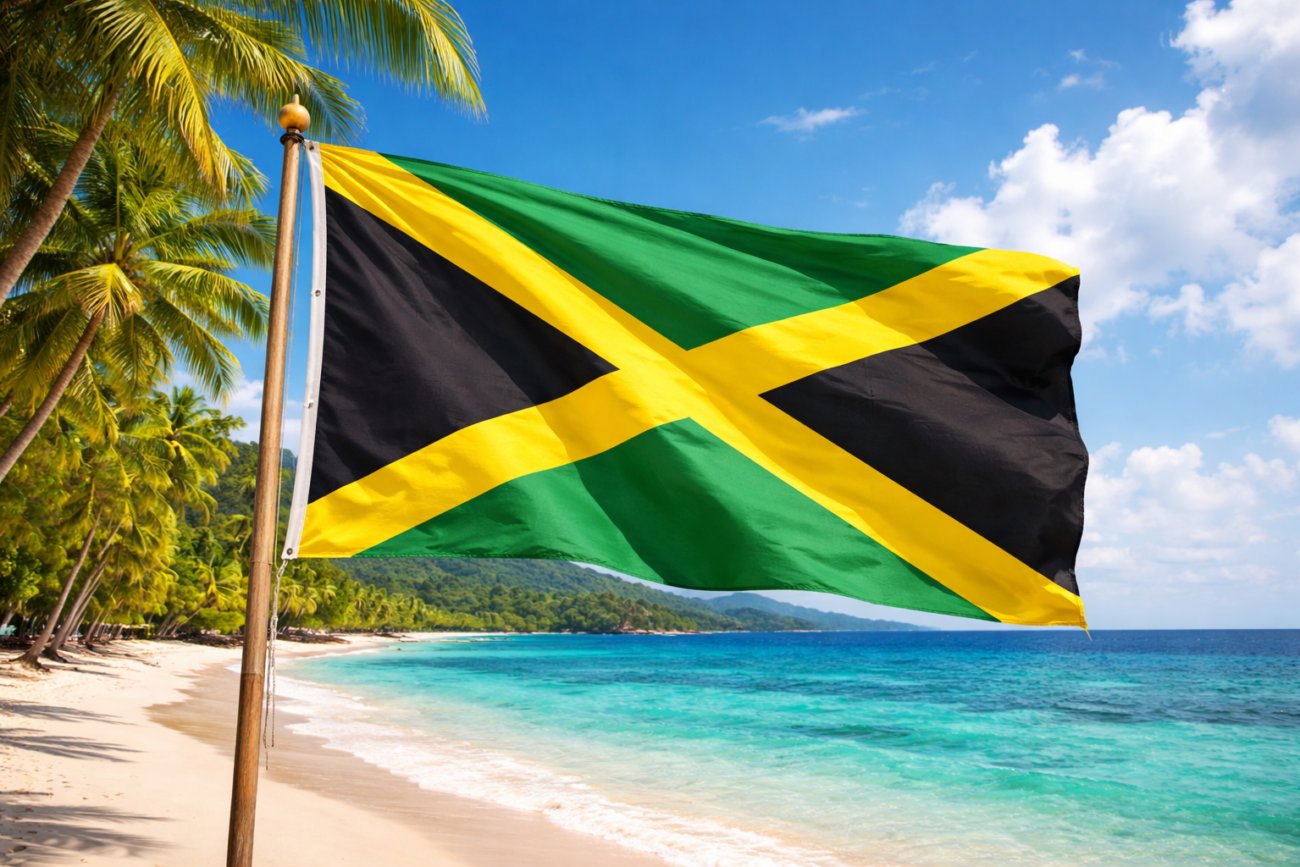
The Jamaica flag is more than just a piece of cloth; it is a symbol of national pride, history, and unity for the people of Jamaica. Known for its vibrant colors and unique design, the flag reflects the resilience and spirit of the Caribbean nation. This article explores the history, symbolism, and significance of the Jamaican flag, as well as its role in the culture and identity of the country.
History of the Jamaican Flag
The Jamaican flag was officially adopted on August 6, 1962, the same day Jamaica gained independence from the United Kingdom. The adoption of the flag marked a significant moment in the country’s history, as Jamaicans sought to express their newfound freedom and identity on the global stage.
Before independence, Jamaica used the British colonial flag, which featured the Union Jack. The decision to create a new, unique flag was driven by a desire to represent Jamaica’s distinct culture and heritage rather than its colonial past. The flag’s design was chosen through a national competition, and its bold colors and symbolism continue to inspire pride today.
Design and Colors of the Jamaican Flag
The Jamaican flag is instantly recognizable for its distinctive design: a diagonal cross or saltire dividing the flag into four triangles. The top and bottom triangles are green, while the left and right triangles are black. The cross itself is gold, creating a striking combination of colors.
Each color on the flag holds deep meaning:
-
Black symbolizes the strength and creativity of the people, who have overcome hardships.
-
Gold represents the natural wealth and sunshine of Jamaica.
-
Green reflects hope and the lush vegetation of the island.
This combination of black, gold, and green ensures that the Jamaican flag is both visually striking and symbolically rich.
Significance of the Jamaican Flag
The Jamaican flag is more than a national symbol; it embodies the essence of Jamaican identity. It represents the struggles, achievements, and hopes of the people. From sporting events to cultural festivals, the flag serves as a unifying emblem that Jamaicans rally behind with pride.
The flag also plays a role in international diplomacy. It is flown at Jamaican embassies and consulates worldwide, showcasing the nation’s presence on the global stage. Additionally, it is a source of inspiration for Jamaicans living abroad, reminding them of their heritage and roots.
Jamaican Flag in Caribbean Culture
Within the Caribbean region, the Jamaican flag stands out for its unique design and symbolism. Unlike other Caribbean flags that may feature symbols of colonial history, Jamaica’s flag is purely indigenous in its meaning. It reflects the island’s vibrant culture, music, and history, setting it apart as a symbol of independence and pride.
The flag is often displayed during regional events like the Caribbean Festival of Arts (CARIFESTA) and reggae concerts, emphasizing Jamaica’s contribution to Caribbean culture. It also appears in art, fashion, and souvenirs, making it an enduring symbol of the island’s global influence.
The Jamaican Flag and Sports
Sports are a significant aspect of Jamaican culture, and the Jamaican flag is prominently featured in every major sporting event. From athletics to football, the flag is waved by fans and athletes alike, symbolizing national pride and unity.
Notable athletes like Usain Bolt have carried the flag on international podiums, showcasing Jamaica’s strength and excellence. The flag becomes a symbol of victory, resilience, and the competitive spirit of the Jamaican people.
Proper Etiquette for Displaying the Jamaican Flag
Displaying the Jamaican flag comes with certain etiquette that reflects respect for the nation:
-
The flag should never touch the ground or water.
-
It should be flown during national holidays, including Independence Day (August 6) and National Heroes Day.
-
When displayed with other flags, the Jamaican flag should be in a position of honor.
Understanding proper flag etiquette ensures that the Jamaican flag continues to be a symbol of dignity and pride for all.
Fun Facts About the Jamaican Flag
-
The Jamaican flag is the only national flag that does not contain red, white, or blue.
-
The diagonal cross design is also known as a saltire, similar to the Scottish flag.
-
Jamaica is one of the few countries whose flag colors were chosen to represent both the people and the land simultaneously.
-
The flag has inspired multiple cultural references, from music albums to fashion brands, showcasing its influence beyond national borders.
Jamaican Flag in Modern Media and Merchandise
The Jamaican flag is widely used in media, tourism, and merchandise. T-shirts, hats, bags, and souvenirs featuring the flag are popular among locals and tourists alike. Music videos, advertisements, and films also incorporate the flag to evoke a sense of Jamaican pride and cultural identity.
Tourism campaigns often showcase the flag alongside iconic Jamaican landscapes, such as Negril’s Seven Mile Beach and the Blue Mountains, to attract visitors and celebrate the island’s heritage.
Conclusion
The Jamaican flag is more than a symbol of independence; it is a representation of the country’s identity, culture, and resilience. From its bold colors to its rich symbolism, the flag continues to inspire pride among Jamaicans and admiration worldwide. Whether in sports, culture, or daily life, the Jamaican flag serves as a constant reminder of the nation’s past struggles and bright future.
FAQs About the Jamaican Flag
Q1: What do the colors of the Jamaican flag represent?
A: Black represents the strength of the people, gold symbolizes natural wealth and sunshine, and green signifies hope and lush vegetation.
Q2: When was the Jamaican flag adopted?
A: The flag was officially adopted on August 6, 1962, coinciding with Jamaica’s independence.
Q3: Is the Jamaican flag used in any international events?
A: Yes, it is prominently displayed in international sporting events, diplomatic missions, and Caribbean cultural festivals.
Q4: Can the Jamaican flag touch the ground?
A: No, proper etiquette requires that the flag should never touch the ground or water, as a sign of respect.
Q5: What makes the Jamaican flag unique among Caribbean flags?
A: It is the only national flag in the Caribbean that does not contain red, white, or blue and has a purely symbolic design reflecting independence, culture, and resilience.