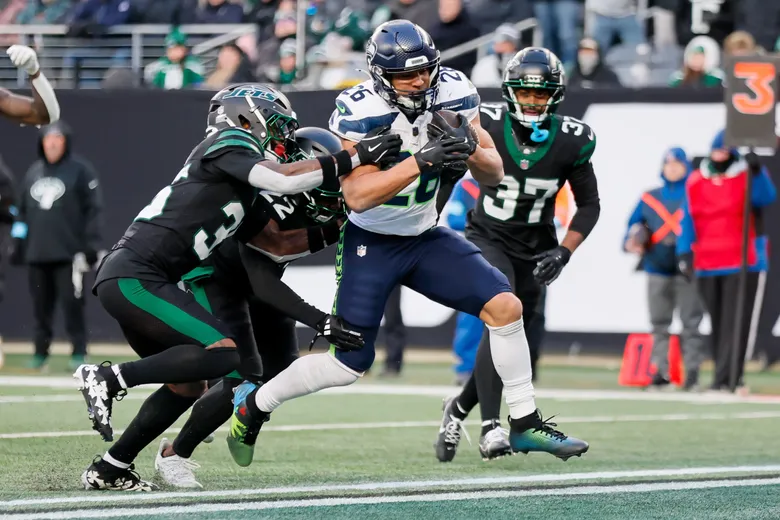
The matchup between the Seattle Seahawks and the New York Jets always generates strong interest among NFL fans, bettors, and analysts looking for detailed player stats and performance insights. Whether you’re evaluating fantasy football decisions, preparing betting strategies, or simply analyzing team form, understanding the seahawks vs new york jets match player stats provides a clear picture of how each unit performed on offense, defense, and special teams. This comprehensive breakdown explores key player contributions, statistical highlights, tactical observations, and what the numbers mean going forward.
Match Overview and Key Takeaways
The game showcased contrasting styles, with Seattle relying on a balanced offensive approach while New York emphasized defensive pressure and opportunistic plays. From quarterback efficiency to defensive turnovers, the contest reflected how small statistical margins can influence the outcome. Analysts noted that time of possession, third-down conversions, and red zone efficiency played decisive roles, making player-level statistics especially important for understanding the flow of the game.
Quarterback Performance Analysis
Seattle Seahawks Quarterback Stats
Seattle’s quarterback delivered a composed performance, demonstrating strong pocket awareness and efficient decision-making. He completed a high percentage of passes, spreading the ball across multiple receivers and avoiding costly interceptions. Passing yardage totals reflected a strategy focused on intermediate routes, while a couple of deep completions stretched the Jets’ secondary. His passer rating remained solid due to low turnover risk and effective play-action usage. Additionally, situational football—particularly on third downs—highlighted his ability to extend drives and maintain offensive rhythm.
New York Jets Quarterback Stats
The Jets quarterback faced significant pressure throughout the game, which influenced both completion percentage and passing efficiency. Despite tight coverage, he managed several key throws that resulted in first downs and kept the offense competitive. However, sacks and hurried throws limited explosive plays. Statistically, his total yardage was respectable, but red zone execution remained an area of concern, reflecting the Seahawks’ disciplined defensive coverage.
Running Back Contributions
Seahawks Running Game
Seattle’s running backs provided crucial balance, combining inside runs with outside zone plays to keep the Jets defense guessing. The lead back recorded strong rushing yardage with an impressive yards-per-carry average, while also contributing in pass protection. A secondary back added value through short receptions and change-of-pace runs, helping sustain drives and control the clock. Their combined efforts reduced pressure on the passing game and improved overall offensive efficiency.
Jets Ground Attack
The Jets’ rushing unit showed flashes of explosiveness, particularly on early downs. The primary running back broke several tackles and generated positive yardage after contact, demonstrating physicality against Seattle’s front seven. However, negative plays and limited red zone success affected total production. Statistically, the ground game remained competitive but lacked consistency, which impacted overall scoring opportunities.
Wide Receivers and Tight Ends Performance
Seattle Receiving Corps
Seattle’s receivers played a pivotal role, with multiple players contributing meaningful yardage. The top wideout led the team in receptions and receiving yards, showcasing precise route running and reliable hands. A secondary receiver added a touchdown catch, capitalizing on defensive mismatches. Tight ends contributed in both blocking and short-yardage receptions, particularly on play-action calls, enhancing offensive versatility.
Jets Receiving Unit
The Jets’ receiving group demonstrated resilience against tight coverage. Their leading receiver posted strong numbers in terms of targets and catches, serving as a reliable option on key downs. Slot receivers contributed underneath yardage, helping move the chains, while the tight end provided red zone presence. Despite solid individual efforts, limited explosive plays reduced overall impact compared to Seattle’s unit.
Defensive Standouts and Key Stats
Seahawks Defense
Seattle’s defense excelled in generating pressure and limiting big plays. Defensive linemen recorded multiple quarterback hits and at least one sack, disrupting the Jets’ offensive rhythm. Linebackers contributed with tackles for loss and strong coverage in short zones. The secondary maintained discipline, preventing deep completions and forcing contested throws. Turnovers created by defensive pressure shifted momentum and provided favorable field position.
Jets Defense
The Jets defense showed its trademark aggressiveness, particularly in pass rush situations. Edge rushers consistently pressured Seattle’s quarterback, while linebackers displayed strong tackling fundamentals. The secondary recorded pass breakups and limited yards after catch. Although they allowed sustained drives at times, their ability to tighten coverage in critical moments kept the game competitive.
Special Teams Impact
Special teams often influence field position, and this matchup was no exception. Seattle’s kicker converted field goal attempts efficiently, contributing valuable points, while the punting unit pinned the Jets deep in their own territory multiple times. The Jets’ return game produced moderate yardage, providing occasional momentum swings but lacking a breakout return. Coverage units on both sides maintained discipline, minimizing major mistakes.
Statistical Comparison — Team Metrics
When comparing overall numbers, Seattle held an advantage in total offensive yardage and third-down conversion rate, reflecting sustained drives and offensive balance. The Jets matched intensity in defensive metrics, including pressures and tackles for loss, indicating their ability to disrupt plays. Turnover margin slightly favored Seattle, which often correlates strongly with winning outcomes. Time of possession statistics further highlighted Seattle’s ability to control tempo, while the Jets relied more on defensive stops and quick scoring opportunities.
Tactical Insights from Player Stats
Player statistics reveal deeper tactical patterns. Seattle’s balanced distribution of targets indicates a game plan designed to avoid predictability and exploit coverage mismatches. The Jets’ reliance on defensive pressure suggests a strategy focused on forcing mistakes rather than allowing extended drives. Red zone efficiency metrics underscore the importance of execution under pressure, with Seattle converting opportunities more effectively. Analysts reviewing these numbers can identify trends useful for future matchups, fantasy projections, and betting models.
What the Numbers Mean for Future Games
For Seattle, strong quarterback efficiency and balanced offensive production suggest a sustainable formula moving forward, especially if the running game continues to complement passing success. Defensive pressure and turnover creation remain strengths that can influence future results. For the Jets, improving offensive consistency—particularly in pass protection and red zone scoring—could significantly enhance competitiveness. Player stats from this game provide coaching staffs with actionable insights for adjustments and strategic planning.
Fantasy Football and Betting Implications
From a transactional perspective, player stats from the seahawks vs new york jets match player stats are highly valuable for fantasy managers and bettors. Seattle skill players who demonstrated consistent usage may see increased fantasy value, while defensive performers could influence matchup projections. Jets players with high target share remain viable fantasy options despite overall offensive challenges. Bettors analyzing efficiency metrics such as yards per play, turnover rates, and red zone success can refine predictions for upcoming games.
Key Player Highlights Summary
Top performers included Seattle’s quarterback for efficient passing, the lead running back for consistent yardage, and defensive playmakers who generated pressure. For the Jets, standout contributors included their primary receiver and defensive front, which maintained intensity throughout the contest. These individual performances illustrate how player-level contributions shape overall outcomes and highlight areas of strength for both teams.
Conclusion
The seahawks vs new york jets match player stats offer a detailed snapshot of how execution, strategy, and individual performances combine to determine game outcomes. Seattle’s balanced offense and opportunistic defense provided an edge, while the Jets demonstrated defensive resilience and flashes of offensive potential. By analyzing quarterback efficiency, rushing production, receiving contributions, and defensive impact, fans and analysts gain a clearer understanding of team dynamics and future prospects. These insights are especially valuable for fantasy football decisions, sports betting strategies, and overall NFL analysis.
FAQs
Q1: Why are Seahawks vs Jets player stats important for analysis?
Player stats reveal performance trends, helping fans, analysts, and bettors understand strengths, weaknesses, and potential future outcomes.
Q2: Which metrics matter most in this matchup?
Key metrics include passing efficiency, rushing yards per carry, third-down conversions, turnover margin, and red zone success.
Q3: How can these stats help fantasy football players?
They highlight usage patterns, target share, and consistency, allowing managers to make informed lineup decisions.
Q4: What did the defensive stats indicate?
They showed how pressure, coverage discipline, and turnovers influenced momentum and scoring opportunities.
Q5: Where can I track future Seahawks vs Jets stats?
Official NFL game reports, sports analytics platforms, and team websites provide updated player statistics and performance breakdowns.