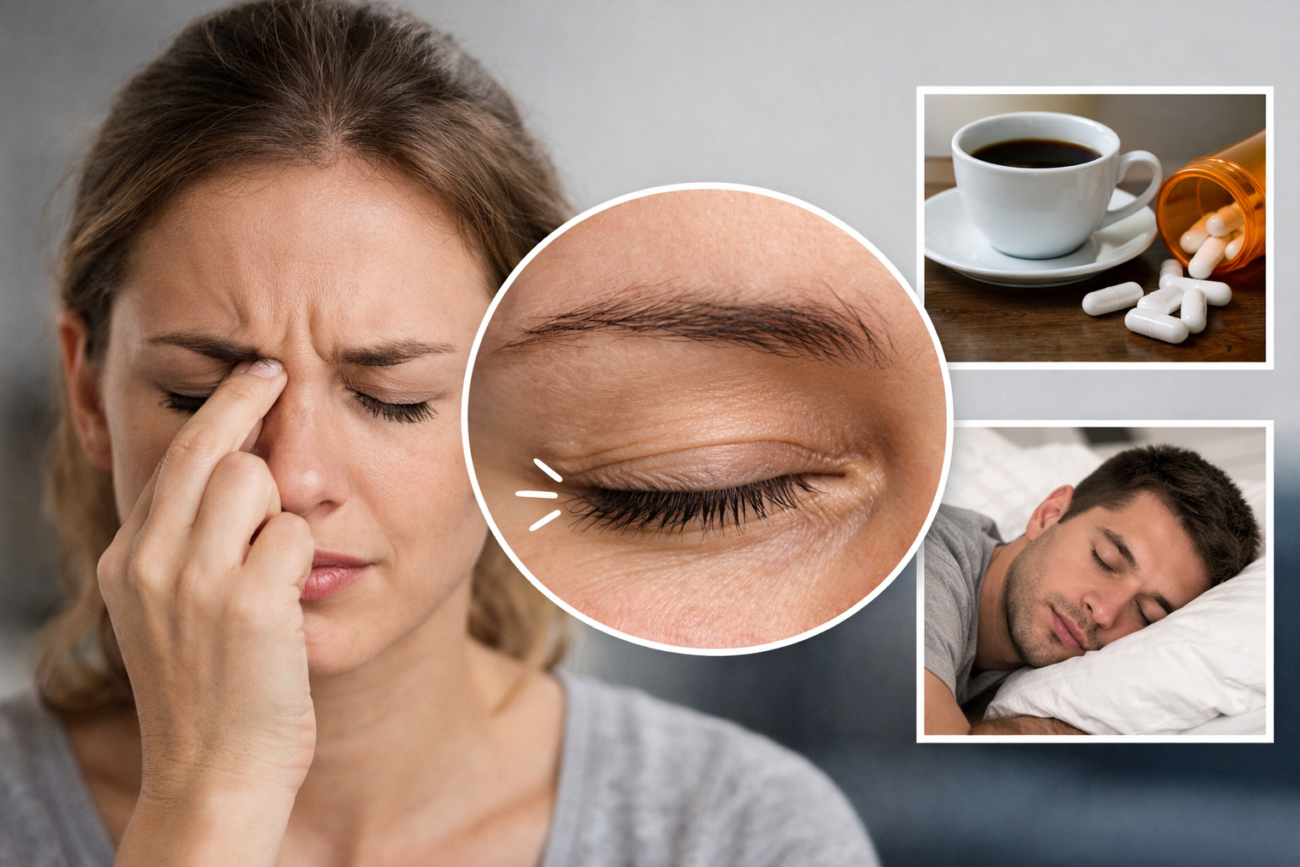
Eye twitching is a common experience that many people face at some point in their lives. If you have ever wondered why does my eye keep twitching, you are not alone. This condition, medically known as eyelid myokymia, usually involves small, repetitive spasms of the eyelid muscles. These spasms can occur in either the upper or lower eyelid and may last for a few seconds, minutes, or even several days. While eye twitching is usually harmless, persistent twitching can sometimes indicate underlying lifestyle issues or health concerns. Understanding the causes and solutions can help you manage the condition effectively and prevent it from happening again.
What Is Eye Twitching?
Eye twitching refers to involuntary, repetitive contractions of the eyelid muscles. These spasms are typically mild and painless, but they can be annoying and distracting. The twitching usually affects one eyelid at a time and most often occurs in the lower eyelid. Medical experts describe this condition as eyelid myokymia, which is a temporary muscle spasm that does not usually lead to serious complications. In most cases, the twitching stops on its own without medical treatment.
Eye twitching can occur occasionally due to fatigue or stress, but when it happens repeatedly, people begin to ask questions such as why does my left eye keep twitching or why does my right eye keep twitching. Identifying the root cause is the first step toward preventing frequent episodes.
Common Causes of Eye Twitching
Stress and Anxiety
One of the most common reasons people experience eye twitching is stress. When the body is under mental or emotional pressure, the nervous system can become overstimulated. This overstimulation may trigger muscle spasms, including twitching of the eyelids. Many people notice eye twitching during stressful periods such as exams, work deadlines, or personal challenges. Managing stress through relaxation techniques can significantly reduce these spasms.
Lack of Sleep
Sleep deprivation is another major factor linked to eye twitching. When the body does not get enough rest, muscles and nerves may become fatigued, leading to involuntary movements. If you are asking why does my eye keep twitching, you should first evaluate your sleep schedule. Adults generally need around seven to eight hours of sleep per night for optimal health. Poor sleep habits often contribute to repeated eyelid spasms.
Excessive Caffeine Intake
Consuming too much caffeine can overstimulate the nervous system and increase muscle activity. Coffee, tea, energy drinks, and certain sodas contain caffeine that can trigger twitching in sensitive individuals. People who consume high amounts of caffeine may frequently wonder why does my right eye keep twitching or why the twitching occurs after drinking coffee. Reducing caffeine intake may help eliminate this problem.
Eye Strain from Digital Screens
Modern lifestyles involve long hours in front of computers, smartphones, and tablets. Excessive screen time can strain the eye muscles and lead to twitching. Digital eye strain occurs when the eyes work harder to focus on screens for extended periods. Symptoms may include dryness, irritation, blurred vision, and eyelid spasms. Taking regular breaks from screens and practicing proper eye care can help prevent these issues.
Dry Eyes
Dry eyes occur when the eyes do not produce enough tears or when tears evaporate too quickly. This condition is common among older adults, people who wear contact lenses, and individuals who spend long hours using digital devices. Dryness can irritate the eyelids and trigger twitching. Artificial tears and proper hydration may help reduce dryness and prevent spasms.
Nutritional Deficiencies
Certain nutritional deficiencies can also contribute to muscle twitching. Low levels of magnesium, potassium, or calcium may affect nerve function and muscle control. When these minerals are insufficient, muscle spasms—including eyelid twitching—can occur. Maintaining a balanced diet rich in essential nutrients helps support healthy nerve and muscle function.
Why Does My Left Eye Keep Twitching?
Many people specifically notice twitching in their left eye and become concerned about its meaning. In most cases, twitching in the left eye is caused by the same factors that affect the right eye, such as fatigue, stress, or caffeine consumption. Cultural beliefs sometimes associate left eye twitching with good or bad luck, but there is no scientific evidence supporting these ideas. From a medical perspective, the causes remain related to lifestyle habits and temporary muscle irritation.
If the twitching persists for several days or occurs frequently, it may be helpful to evaluate your sleep quality, stress levels, and daily habits. Improving these factors often resolves the problem naturally.
Why Does My Right Eye Keep Twitching?
Just like the left eye, twitching in the right eye is usually harmless. People who experience repeated spasms may ask why does my right eye keep twitching, especially if it interferes with daily activities. The most common explanations include fatigue, eye strain, excessive caffeine, or dehydration. When the eye muscles become tired or irritated, they may contract involuntarily.
Right eye twitching typically disappears once the underlying cause is addressed. Resting the eyes, reducing caffeine intake, and maintaining good hydration can significantly reduce the frequency of spasms.
When Eye Twitching May Indicate a Medical Condition
Although most cases are harmless, persistent or severe twitching may sometimes indicate a more serious condition. Medical conditions such as blepharospasm or hemifacial spasm can cause frequent or uncontrollable eyelid movements. These conditions are rare but may require medical evaluation and treatment.
If eye twitching continues for several weeks, spreads to other parts of the face, or causes difficulty opening the eye, it is important to consult a healthcare professional. A doctor can evaluate the symptoms and recommend appropriate treatment options.
How to Stop Eye Twitching
Get Enough Sleep
Adequate rest is essential for healthy muscle and nerve function. Establishing a regular sleep routine can reduce the likelihood of eye twitching. Aim for at least seven to eight hours of sleep each night to allow the body and eyes to recover.
Reduce Stress
Stress management techniques such as meditation, deep breathing, exercise, or yoga can help calm the nervous system and prevent muscle spasms. Even simple activities like walking or listening to music can help reduce stress levels.
Limit Caffeine
Reducing caffeine consumption can help prevent overstimulation of the nervous system. If you frequently experience eye twitching, consider limiting coffee, energy drinks, and caffeinated sodas.
Rest Your Eyes
Following the 20-20-20 rule can help reduce digital eye strain. Every 20 minutes, look at something 20 feet away for at least 20 seconds. This simple habit helps relax the eye muscles and prevents fatigue.
Stay Hydrated
Proper hydration supports healthy muscle function. Drinking enough water throughout the day helps prevent muscle spasms and keeps the eyes properly lubricated.
Maintain a Balanced Diet
Eating nutrient-rich foods that contain magnesium, potassium, and vitamins can help maintain healthy nerve function. Leafy greens, nuts, bananas, and whole grains are excellent sources of these nutrients.
Preventing Future Eye Twitching
Preventing eye twitching involves adopting healthy lifestyle habits. Maintaining a consistent sleep schedule, managing stress, limiting caffeine intake, and taking regular breaks from digital screens can significantly reduce the chances of experiencing eyelid spasms. Good eye care practices such as using artificial tears and maintaining proper lighting while reading or working can also protect the eyes from strain.
Regular exercise and a balanced diet contribute to overall health and may reduce the likelihood of muscle spasms. By making small lifestyle adjustments, most people can prevent recurring episodes of eye twitching.
Frequently Asked Questions (FAQs)
Is eye twitching dangerous?
In most cases, eye twitching is harmless and temporary. It usually results from fatigue, stress, or caffeine consumption and resolves on its own without medical treatment.
How long does eye twitching usually last?
Eye twitching can last for a few seconds, minutes, or several days. Most episodes disappear once the underlying cause, such as lack of sleep or stress, is addressed.
Can stress cause eye twitching?
Yes, stress is one of the most common causes of eye twitching. When the nervous system is overstimulated, it can trigger muscle spasms in the eyelids.
Should I see a doctor for eye twitching?
You should consult a doctor if the twitching lasts for several weeks, affects other parts of your face, or causes the eye to close completely. Persistent symptoms may require medical evaluation.
Can eye strain from screens cause twitching?
Yes, prolonged screen use can strain the eye muscles and lead to twitching. Taking regular breaks and adjusting screen brightness can help reduce digital eye strain.
Does caffeine make eye twitching worse?
Excessive caffeine intake can stimulate the nervous system and increase the likelihood of muscle spasms, including eyelid twitching.
Conclusion
Eye twitching is a common and usually harmless condition that many people experience. If you find yourself wondering why does my eye keep twitching, the most likely causes are stress, fatigue, caffeine intake, or digital eye strain. Understanding these triggers and making simple lifestyle adjustments can help reduce or eliminate the problem. In most cases, eye twitching resolves naturally without medical treatment, but persistent or severe symptoms should be evaluated by a healthcare professional to rule out underlying conditions.