Introduction
A winter storm warning remains in effect Wednesday, signaling potentially dangerous weather conditions that can disrupt travel, business operations, and daily routines. Such warnings are issued when significant snowfall, ice accumulation, or severe winter weather is expected to create hazardous situations. Understanding what this warning means and how to respond can help individuals, businesses, and communities stay safe while minimizing disruptions. This guide explains the impacts of a winter storm warning, who is most affected, preparation strategies, and practical steps to protect property and ensure continuity during severe weather events.
What Does a Winter Storm Warning Mean?
A winter storm warning indicates that severe winter weather is imminent or already occurring. This typically includes heavy snowfall, freezing rain, sleet, strong winds, or dangerously low temperatures that can reduce visibility and create unsafe road conditions. Unlike a watch, which signals possible severe weather, a warning means confidence is high that hazardous conditions will occur. For individuals and organizations, this is a signal to take immediate action to prepare for potential delays, closures, and safety risks.
Why the Warning Remains in Effect Wednesday
When meteorological conditions remain unstable, authorities extend warnings to ensure the public stays alert. Factors such as slow-moving storm systems, continued precipitation, or prolonged cold temperatures can keep hazardous conditions in place longer than initially expected. Snow accumulation overnight, combined with freezing temperatures during the day, can lead to icy roads and sidewalks, prolonging the impact through Wednesday and potentially beyond.
Key Risks Associated With Winter Storm Conditions
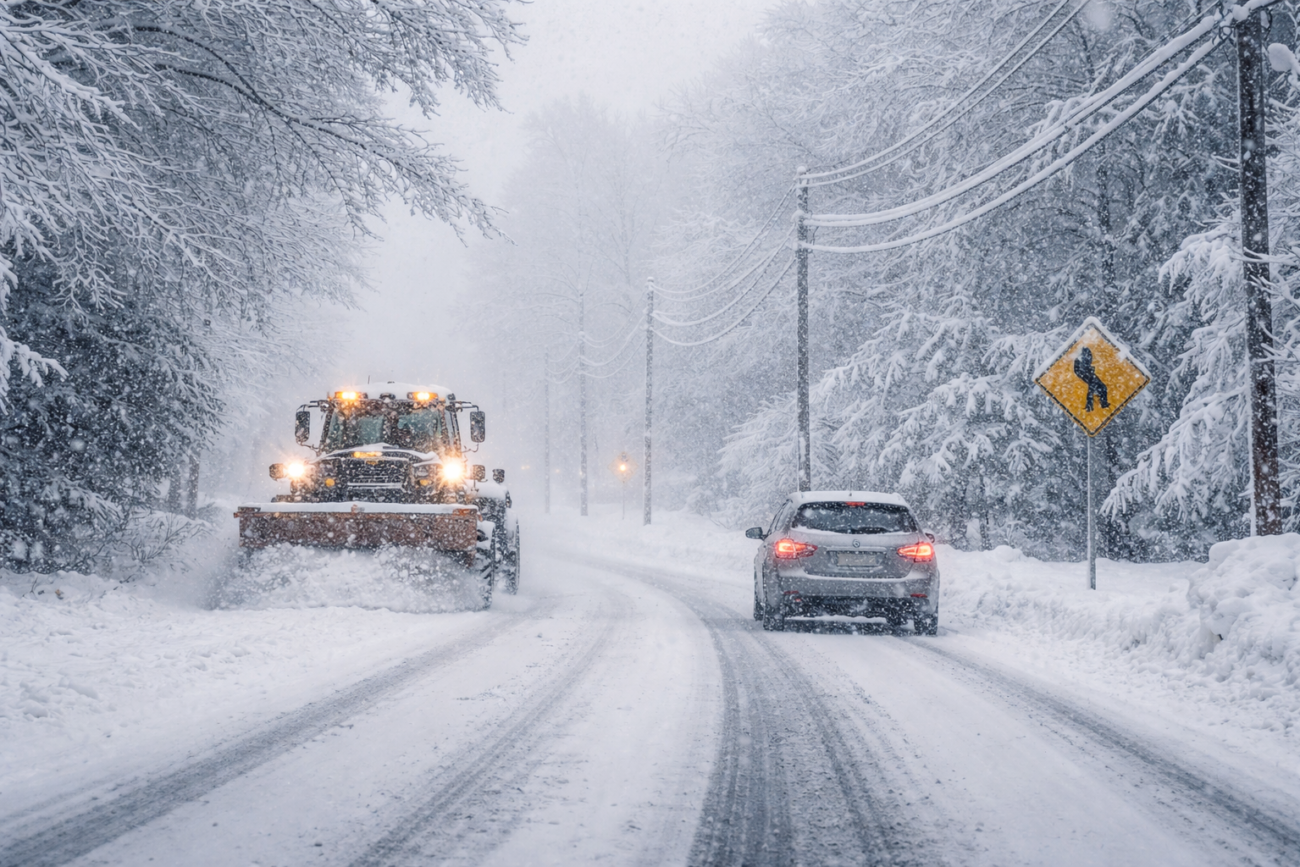
Winter storms can create multiple hazards that affect both personal safety and economic activity. Reduced visibility from heavy snowfall makes driving dangerous and increases accident risks. Ice buildup on power lines and trees can lead to outages, disrupting homes and businesses. Extreme cold can pose health risks such as frostbite and hypothermia, particularly for vulnerable populations. Additionally, supply chain disruptions may occur when transportation networks slow or shut down due to weather conditions.
Impact on Travel and Transportation
Travel is often one of the most affected sectors during a winter storm warning. Snow-covered roads, black ice, and strong winds can lead to flight delays, road closures, and public transportation interruptions. Commuters may face longer travel times or be advised to stay off the roads entirely. Logistics companies and delivery services may also experience delays, which can affect businesses relying on timely shipments. Planning ahead by adjusting schedules or working remotely can help mitigate these disruptions.
Effects on Businesses and Economic Activity
Businesses may need to adjust operating hours or temporarily close to ensure employee and customer safety. Retail stores often see increased demand for winter supplies, while service industries may experience reduced foot traffic. For organizations, having a continuity plan in place—such as remote work capabilities or flexible scheduling—can reduce financial losses and maintain operations during severe weather events. Clear communication with customers and employees is critical during these periods.
Preparing Your Home for a Winter Storm
Home preparation is essential when a winter storm warning is in effect. Ensure heating systems are functioning properly and stock up on essentials such as food, water, medications, and batteries. Insulating pipes can prevent freezing and costly damage. Clearing gutters and securing outdoor items can reduce the risk of storm-related damage. Having emergency supplies ready can provide peace of mind if conditions worsen or power outages occur.
Personal Safety Tips During the Storm
Staying safe during a winter storm requires awareness and caution. Limit outdoor exposure, dress in layers, and monitor weather updates regularly. If travel is unavoidable, keep an emergency kit in your vehicle that includes blankets, a flashlight, and basic supplies. Avoid overexertion when shoveling snow, as cold weather can strain the heart. Checking on neighbors, especially elderly individuals, can help ensure community safety during severe conditions.
How Businesses Can Stay Operational
Organizations can maintain productivity by implementing contingency measures. Remote work policies allow employees to continue tasks without risking travel. Backup power systems can prevent downtime during outages, and clear internal communication ensures everyone understands expectations. Reviewing risk management plans ahead of time helps businesses respond quickly and effectively when severe weather warnings are issued.
Monitoring Weather Updates and Alerts
Continuous monitoring of weather forecasts is crucial while a winter storm warning remains active. Conditions can change rapidly, and updated alerts provide guidance on safety measures, school closures, and travel advisories. Using reliable sources and enabling notifications ensures timely information that can help you make informed decisions.
Community Response and Emergency Services
Local authorities and emergency services often coordinate snow removal, road treatments, and public safety measures during winter storms. Community cooperation—such as following travel advisories and avoiding unnecessary trips—helps emergency crews operate efficiently. Preparedness at the individual level reduces strain on public resources and contributes to overall safety.
Long-Term Planning for Winter Weather Events
Repeated winter storms highlight the importance of long-term preparedness. Investing in proper insulation, emergency kits, and reliable heating systems can reduce future risks. Businesses can refine their continuity strategies based on past experiences, improving resilience against seasonal disruptions. Building awareness and readiness ensures smoother recovery after severe weather events.
Conclusion
When a winter storm warning remains in effect Wednesday, it serves as a critical reminder to stay vigilant and prepared. Severe winter weather can affect travel, health, and economic activity, but proactive planning significantly reduces risks. By understanding the implications of the warning, taking safety precautions, and staying informed, individuals and organizations can navigate challenging conditions more effectively. Preparedness not only protects lives and property but also supports faster recovery once the storm passes.
FAQs
Q1: What should I do if a winter storm warning is issued in my area?
Stay informed through weather updates, prepare emergency supplies, limit travel, and follow local safety guidance.
Q2: How long can a winter storm warning last?
It can last several hours to multiple days depending on storm intensity and weather conditions.
Q3: Is it safe to drive during a winter storm warning?
Driving is discouraged unless necessary due to risks like poor visibility and icy roads.
Q4: How can businesses reduce losses during winter storms?
Implement remote work options, maintain clear communication, and develop contingency plans to ensure continuity.
Q5: What items should be included in an emergency winter kit?
Include food, water, blankets, flashlights, batteries, medications, and a first aid kit.
One thought on “Winter Storm Warning Remains in Effect Wednesday : What It Means, Risks, and How to Prepare”